
Chasing Savvy: Identifying Aurora Formations
Sightings, Swooning & Submissions to Citizen Science

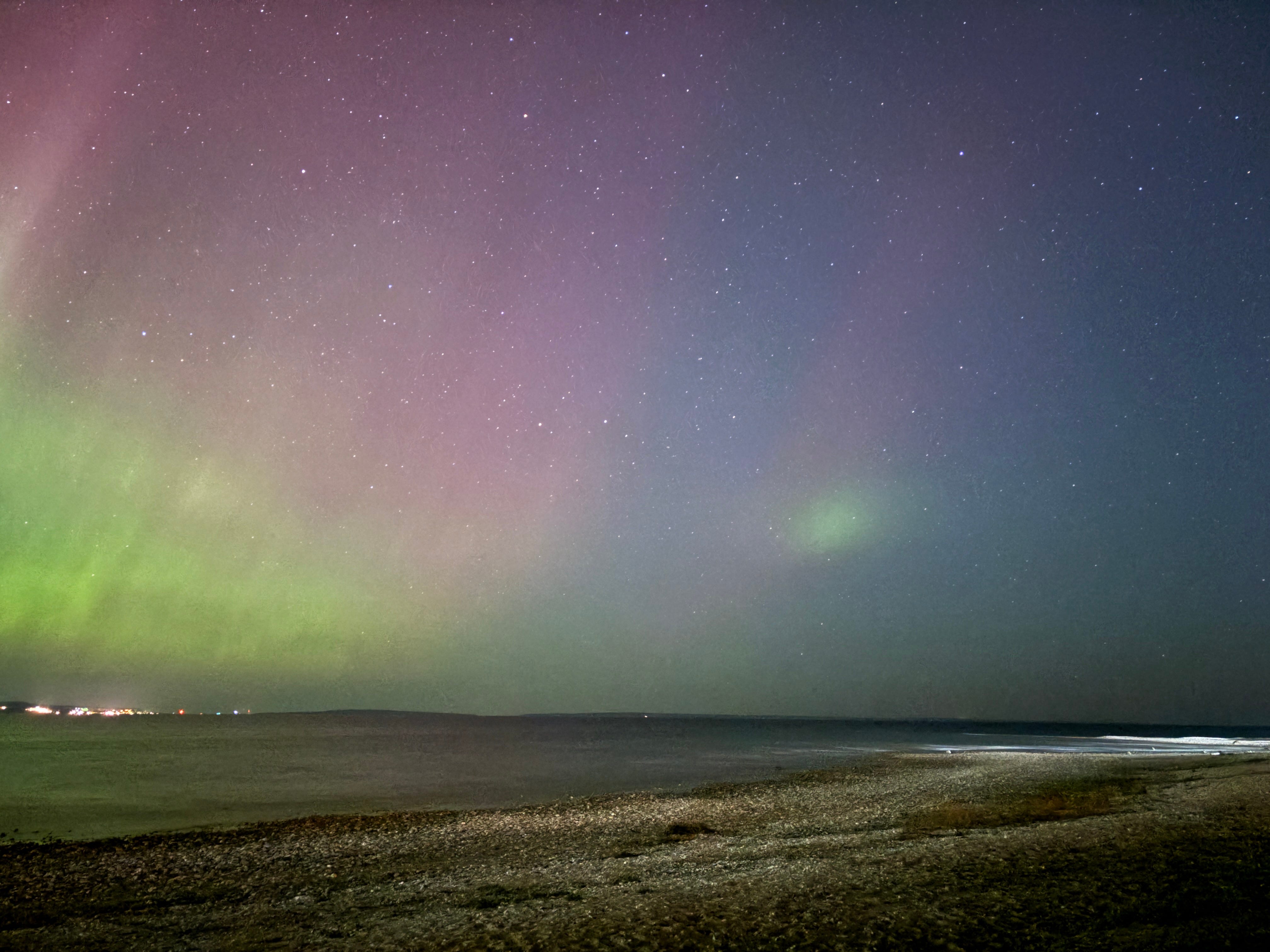
Have you ever looked up in the night sky and wondered what the heck you are looking at? As Aurora Chasers in the mid-latitudes who must patiently wait for peak activity to appear before our eyes, this happens to us all the time.
There are the usual suspects, comets and fireballs, the International Space Station — a cool sighting that you can track with route times and locations, StarLink — a train of satellites from SpaceX that gets longer every year, and plenty of planes or other satellites in orbit.
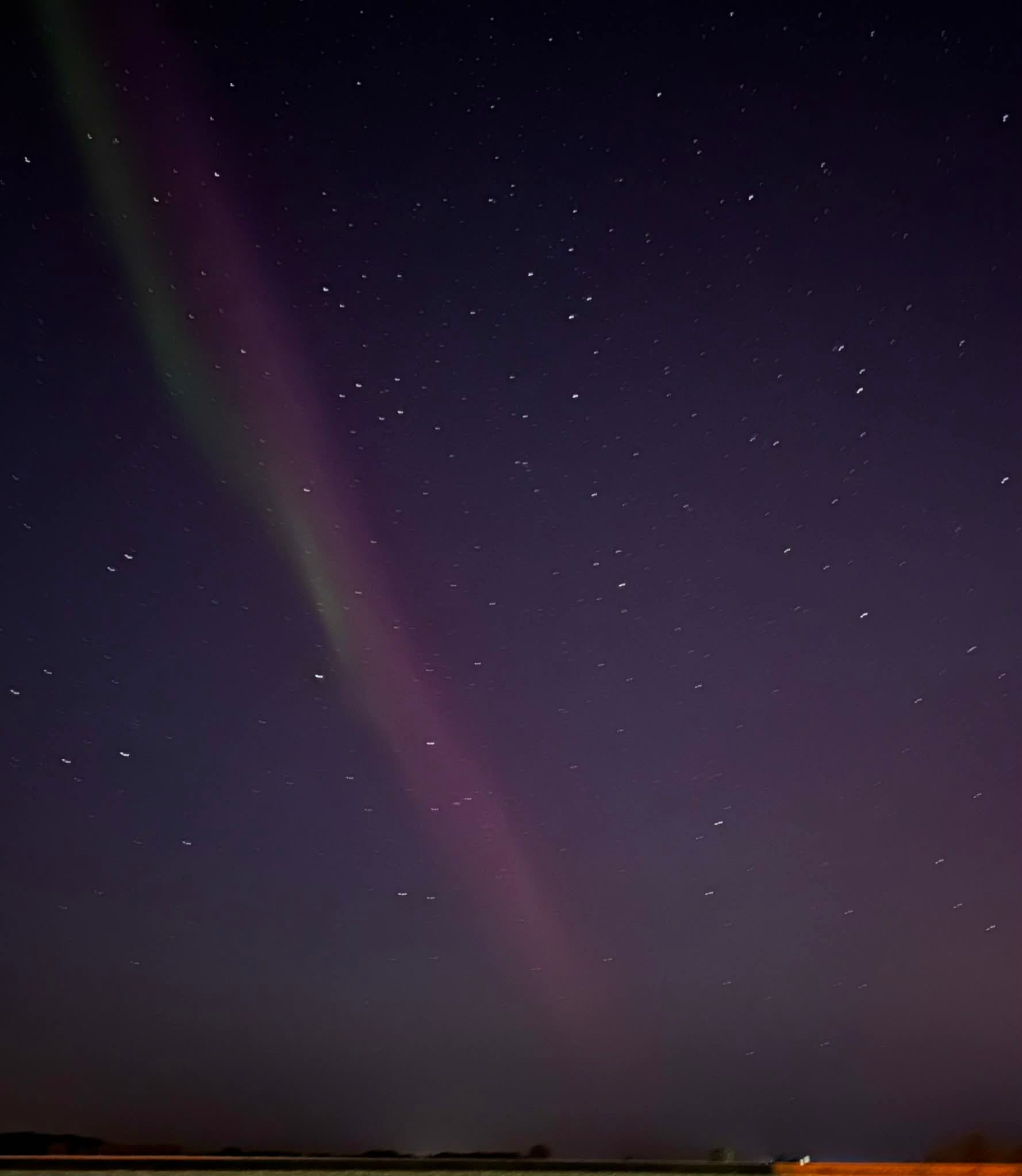
The Unexpected
Times are changing, though. In the last few years, this part of the pastime has become really interesting!
Weird spirals, rocket launches, and fuel dumps from space have been sighted in the night sky a bit more frequently. I could go even farther into some of the suspicious air and space craft, along with the countless theories about what’s up there. But I won’t! You’ve seen the headlines!
If you want to see a few examples of “The Unexpected”, I’d be happy to share my September 2025 presentation where I illustrated a few of these sightings, alongside their identification. Subscribe for a paid subscription, and I’ll share the full PDF today! This talk was titled “Bringing the Visions of Our Dreams to Life,” and it was presented during the inaugural Great Lakes Aurora & Dark-Sky Festival last September.
Appreciation to the ARCTICS Team
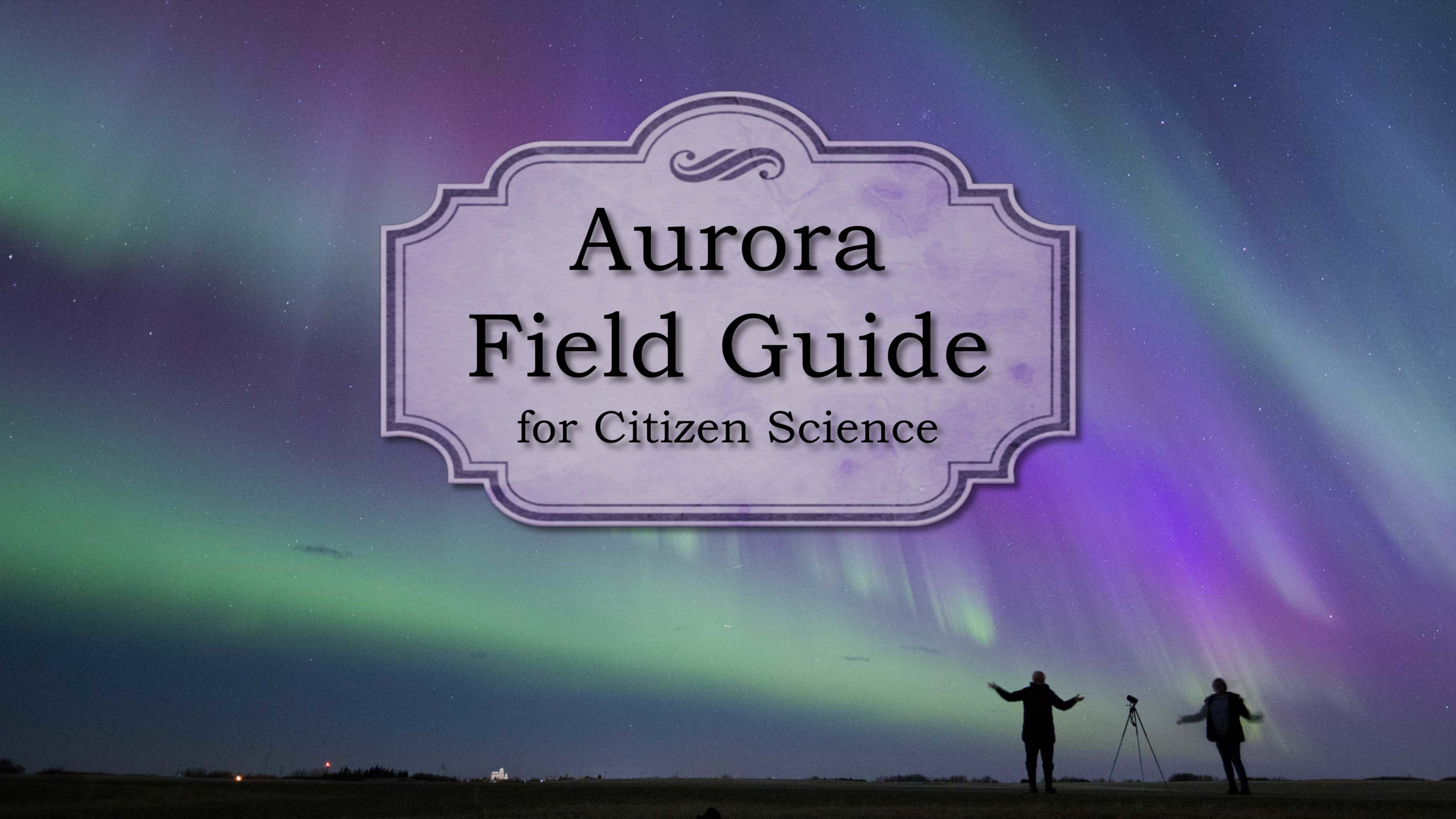
Ok, let’s get back on topic! Published in 2025, a new guide from the ARCTICS Team is available to help you identify different types of Aurora and sub-Auroral phenomena. It’s beautifully illustrated with real photos of sightings from Canada and around the world. It will help you understand what you’re seeing, and how to tell the difference between the many forms.
Want to go the extra mile? Take a photograph of what you see, record the date, time and location and other details, then submit it! You can learn more on the website I’m about to share, and your sightings could help advance the science of Aurora!
You can download the free illustrated Field Guide, which I highly recommend, at the following link, as well as a secondary guide to help you on your Aurora Chasing journey.
Grab These Great Resources!
“Aurora Field Guide for Citizen Science”, courtesy of Auroral Research Coordination: Towards Internationalised Citizen Science (ARCTICS)
“Aurora Handbook for Citizen Science”, courtesy of Auroral Research Coordination: Towards Internationalised Citizen Science (ARCTICS)
With strong Aurora possible from a new coronal hole on the sun’s surface this weekend, January 16-18, 2026, it’s a perfect time to study up! Alas, it is snowing as if I’m inside a snow globe right outside my window…
Hoping for clear skies and lots to see in 2026. (But in the meantime there’s cross country skiing to be enjoyed.)